
Why Going on Al Jazeera’s The Stream Was A Mistake
Since the murders of George Floyd and Brionna Taylor have taken over the public eye, America it seems has been pushed to its breaking point. With peaceful protests and riots breaking out in major cities across America, the chickens are finally coming home to roost.
Let’s face it: Black Lives Matter and #woke culture are hot and current, so it’s no surprise many companies and well-meaning white people are coming out of the woodwork with declarations of ally-ship. It’s also no surprise that much of these shows of solidarity come off as performative and short-sighted. Just take Nancy Pelosi and the dems for instance. Some white people are doing the most to show they’re down with the clique, while simultaneously doing the least in actual real work to dismantle the systems of oppression that exist in America.
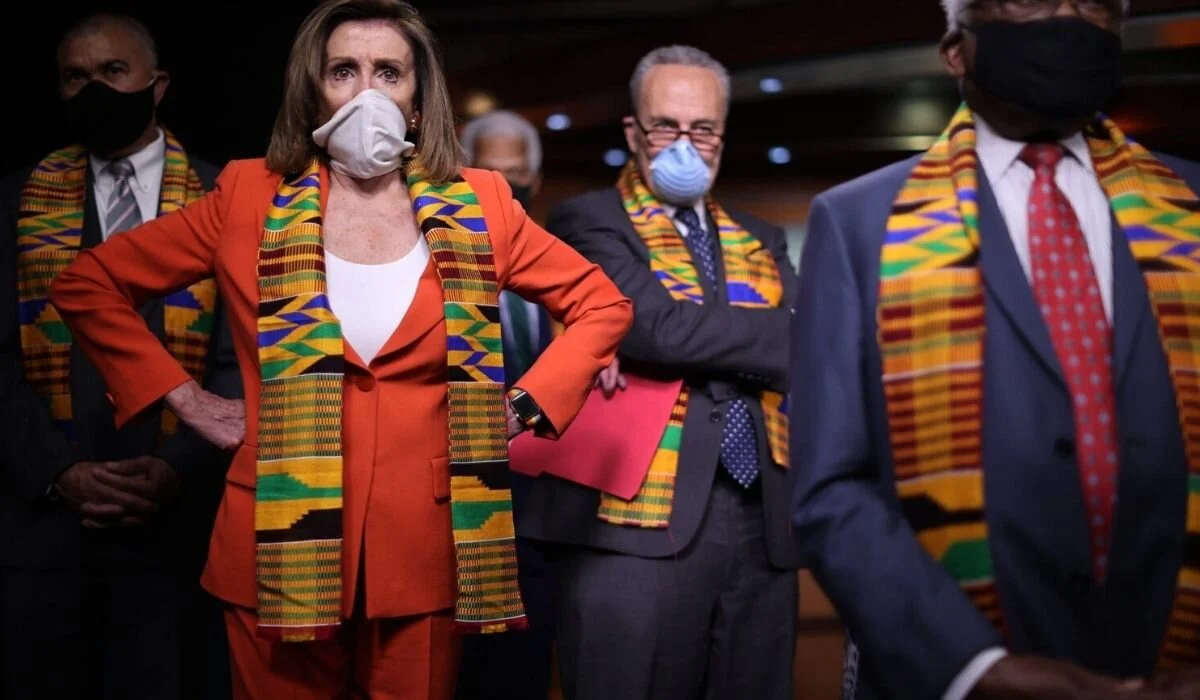
When white pandering goes wrong.
About two years ago a producer from Al Jazeera’s web show The Stream reached out to me to be part of a conversation entitled, “What’s it like being Black in China?” The producer had read some of my writing about my experience being a Black woman in China and thought I’d be a good addition to the panel. As you can expect, I was super excited and impressed by Al Jazeera approaching this topic. My interest was further piqued when I found out the show was hosted by a Black Muslim woman. How progressive, I thought to myself. Of course, I was in.
The panel consisted of me, a female Chinese political scientist, a South African colored woman who owned her own consulting firm, and a Latino professor of cultural studies based in Hong Kong. (Note: I am choosing not to write their names here because I don’t remember them and don’t feel like going back and looking them up. Also, don’t non-Black people get enough shine and consideration when it comes to Black issues already?) The conversation begins as the host puts forth the question, “How can China be more racially inclusive?” She then pulled up a Twitter thread, and pre-recorded video with a tweet from a Black French woman living in Beijing, who lamented her frustration with Chinese attitudes towards Black people.
The stance the other panelists took shocked me, but thinking logically, really shouldn’t have. Mr. College professor for instance, despite having apparently done all this research on Black Africans in China, seems all too eager to assert that no, racism against Black people in China isn’t so bad, because it happens to everyone, even him, a non-Black man. He also pushed back on King’s assertion that having her skin and hair touched by curious Chinese people without her permission, wasn’t so humiliating or dehumanizing. Could be true, could not be true, but as a non-Black man, what right does he have to decide what is or isn’t dehumanizing to Black people having the experience?
Another young Black viewer pops up on the screen to give his accounts and take on the discrimination that he experiences in China. The host then asks the South African woman for her thoughts on what the guy said. She basically starts going on about how she has friends from all over who experience discrimination too. Now right away this takes me off guard. Perhaps I was naïve, but I didn’t imagine having to debate my lived experience of racial prejudice, against people who hasn’t walked a mile in my shoes. It’s as if the other panelists were just there for the purpose of refuting Black people’s words and experiences, while also coming up with one hundred and one reasons to explain away the racism and xenophobia that exists in China.
I spoke about the discrimination that exists in the ESL market in addition to personal tales of racism that I’d experienced in the workforce as well as just you know, existing in the world. And each time my real lived experience was questioned and pushed to the back burner. I tried to hold my own against the echoing voices of, “nuh-uhs….” but it was hard. Life is hard enough as a Black woman in the world without being put into the position to have to go back and forth with people who are obviously interested in illuminating non-black voices on black issues, while simultaneously pushing an anti-black agenda. This was not what I signed up for.
I’m ashamed to say, but I shut down a little bit. Shocked and annoyed at the whole experience, I made the conscious decision not to say much at all. In hindsight I should have pushed back more. I wish I had explained why even though China is a homogenous society, their desire to colonize, I mean do business with various African nations, should be reason enough alone for them to put the prejudice and white worshipping aside. I wish I would have expressed my discomfort with being made a token on the segment in general. I also wish I called Al Jazeera and The Stream out on their bullshit of wanting to appear forward thinking and interested in the Black experience in China, but either not caring enough or being in-the-know enough to get full black panelists to use their #ownvoices to really tell the world what it’s like being Black in China without having to be on the defense.
To make matters worse, at the time, I was dating a white woman who was completely unsupportive and unsympathetic to my experience. When I tried to talk to her about it she told me it was a “missed opportunity” and what I added to the conversation was more anecdotal, implying that my lived experience of racism somehow held less weight and needed to be proven beyond a shadow of doubt, when put up against the words of non-Black people.
As cliché as it sounds, I don’t regret my experience appearing on The Stream. In some ways it’s made me savvier when it comes to the media (ironic, I know). These days when contacted by a fellow journalist or member of the media for a quote or commentary, I don’t just give the benefit of the doubt that they have good intensions or are even competent enough to produce the content, especially if they are working from outside of the community. I look past the optics, asking pointed questions about their objectives. Sometimes I request a list of questions upfront before fully committing to the interview, and I do my own homework on the company or publication I’ll be working with.
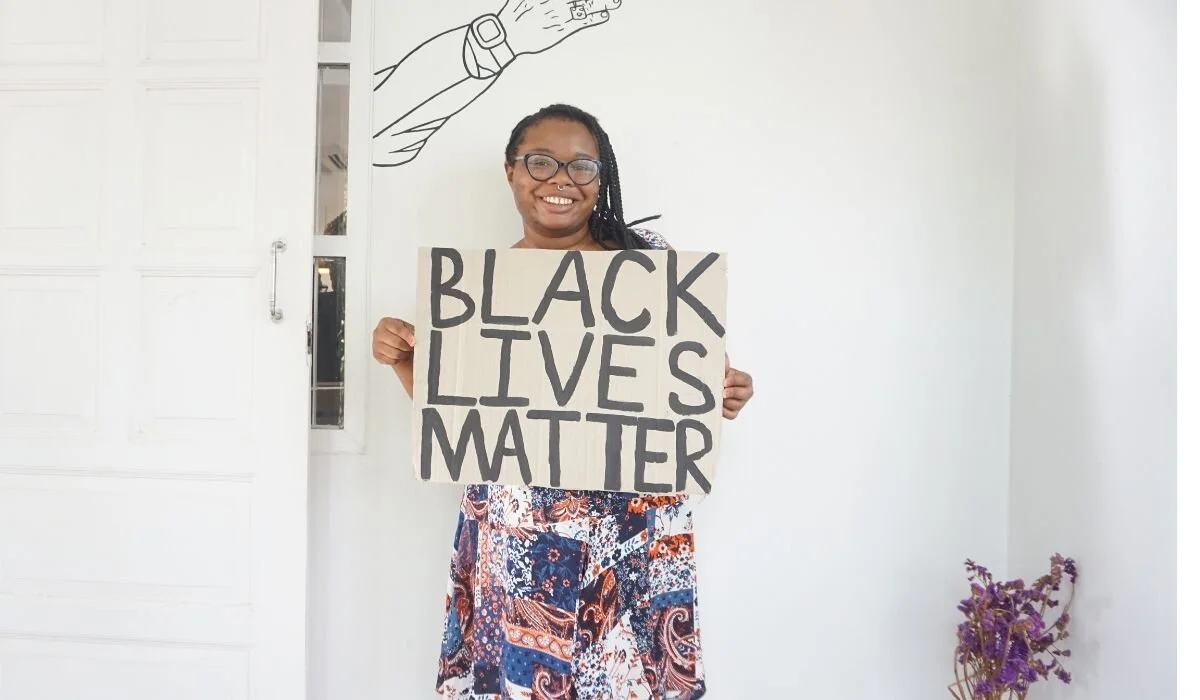
While Black Lives Matter is primarily about police brutality, the overarching human rights issue is the ongoing lack of respect and violence inflicted on us by the dominate white society in America. Oftentimes when it comes to racism, some white people think they can’t be racist because they have a Black friend or spouse, listen to Prince, and or because they’ve never gone out of their way to harm black folk intentionally. But the thing about racism, and other human rights issues, is that intent doesn’t necessarily matter as much as impact. What happened to me at Al Jazeera’s The Stream was just another example of how structural forces, such as news media organizations may look like they’re down for Black people, but really some of them are just engaging in gaslighting and performative optics like many White members of society. Black Lives Matter and that includes Black voices too.