

Dear White People: Be a Better Ally in 4 Easy Steps
Keep these things in mind when trying to participate in the fight against racism
Over the last few months there has been an outpouring of support from well-meaning white “allies” looking to support the Black Lives Matter movement. Some people have shown up and shown out in tangible and concrete ways, while others have made missteps that invoke the feeling of a performance more so than anything. Some of these displays are at best, tone death and out of touch, to harmful at worst. Having good intensions is great and all, but it’s important for anyone who considers themselves an ally to engage in anti-racist practices in real-time, not just online and in posts for the ‘gram. Here are some best practices to keep in mind when trying to help the struggle.
Understand and accept your privilege
To be White in America, and the world at large, is to be privileged beyond the wildest dreams of the average Black or Brown person. Before White people can do any work towards equality and lending a helping hand to the Black Lives Matter movement, you need to practice radical acceptance of your historical and current reality. To acknowledge White privilege is not to say that you don’t experience hardship. It’s simply an acknowledgement of the ways in which your race is not a factor in any hardships you experience. Come to terms with the ways in which you don’t have to consider your race and how others will react to it, in your daily life and interactions, before you try to take a stand against the Boogieman that you created.
Your Opinion is Not Fact
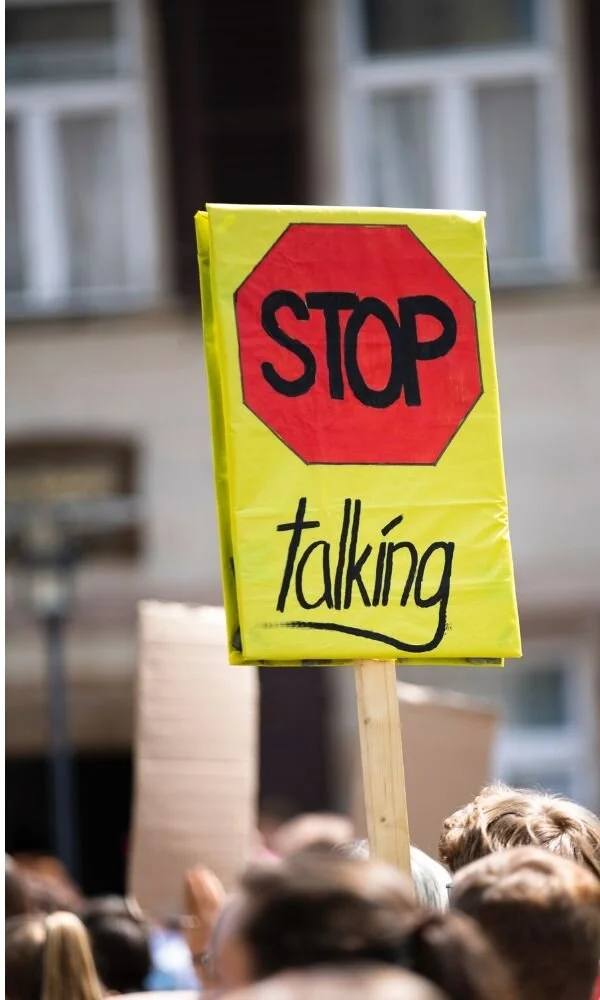
White people: your opinions are not facts, so please stop presenting them as such. White supremacy has created this aura of faux-know-it-all-ness within the White community about practically any and everything, even things you know nothing about or have no knowledge on. I can recall having a conversation with a friend’s White husband about historically Black colleges. I can’t remember how we got on the subject, but I do remember he tried to make some point about how HBCUs were discriminatory. What this person failed to acknowledge is the history behind how HBCUs came to exist. It wasn’t because we just wanted to branch off and do our own thing. At the inception of these institutions, Black people were not allowed to go to predominately White universities. Therefore, if we wanted to get educated, we had to figure out a way to do it ourselves. This guy knew none of this information, (or if he did, didn’t mention it) yet sat there with a smirk on his face like he had just made some big valid point. Don’t be that guy y’all.
If you are going to attempt to critique or discuss the Black community, for the love of the universe, do some research. Another thing, It might be hard to fathom, but your opinion might not always be wanted or needed. We Black people are opinionated. If we want to know what’s on your mind, we’ll ask.
Listen to Black People

Piggybacking off the last tip about you not knowing it all, is this little nugget of wisdom: listen to black people. I often hear white people say that there needs to be more open conversations between Black and Whites about racism and discrimination. When these talks come to fruition, this thing happens where it seems like most white people don’t want to listen or truly hear us out. More often than not, they seem to want to debate or argue away the issues we have and the points we are trying to get across. Listening without rebuttal and without trying to center yourself and your experience is a great, tangible way to show support. So many times as Black people, our feelings, thoughts, and lived experiences are met with doubt and disbelief. Wanna help? Don’t presume that you know best. I’m a firm believer that one cannot help another, unless they ASK what that person needs help with and how they can be of service.
Stop with the Performative B.S.
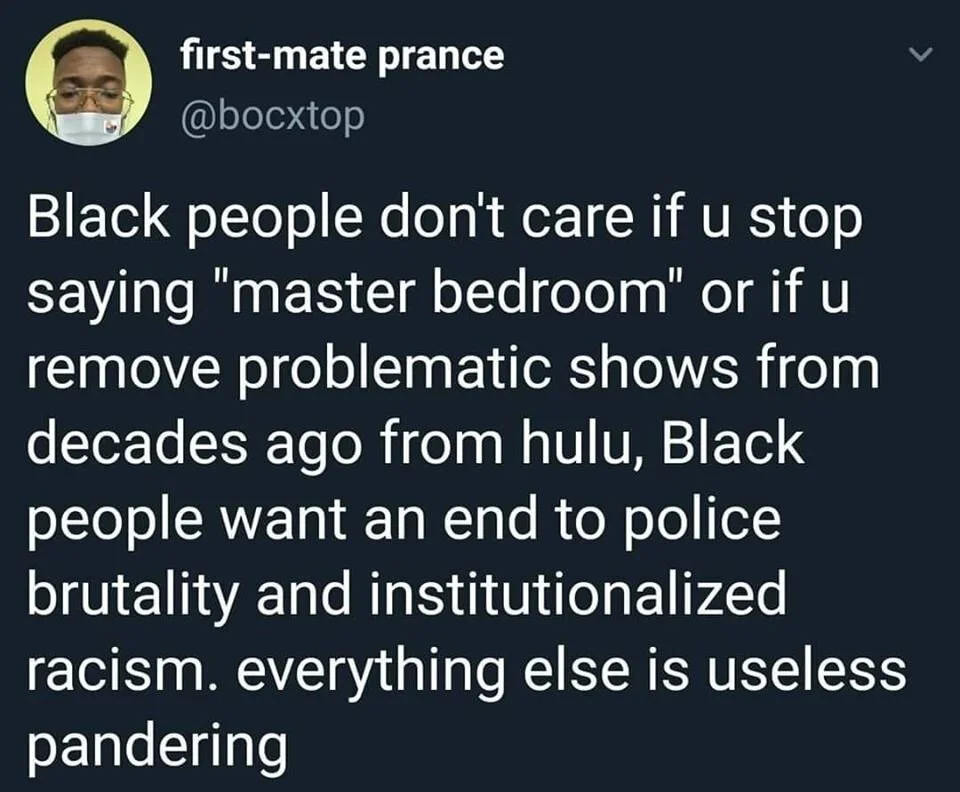
We don’t need you dressing in kente cloth. We don’t need police officers handing out ice cream to prove they are nice. We need y’all to educate yourselves, humble yourselves, and do the real work required in dismantling this racist structure we all exist in. These are just a few basic ways to show support, though there are many other ways as well. Don’t be afraid to educate yourselves and listen and learn from your black peers. We just want to be supported and respected, like everyone else.